
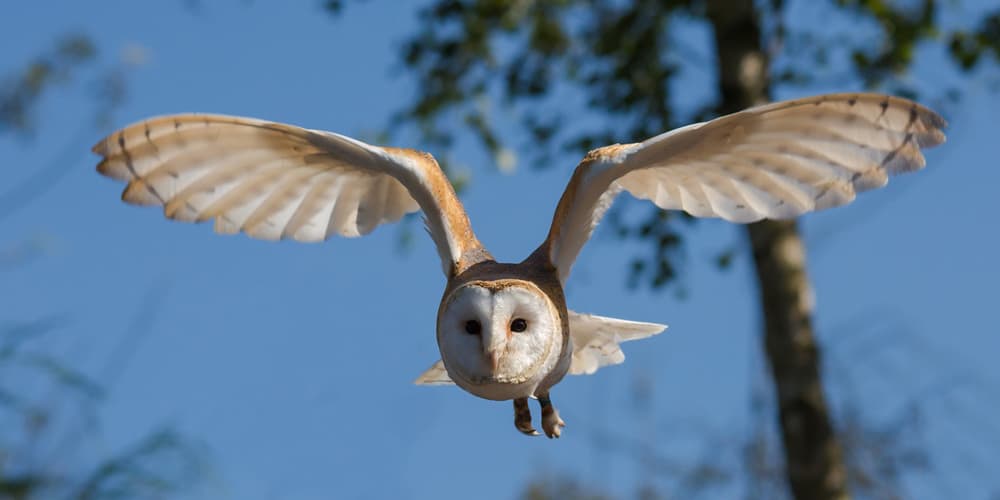
We popped in to see Steven Jackson in Shearington last night. He is a member of the the North Solway Ringing Group (NSRG), and he is looking for everyone who has recent sightings of barn owls in and around the Caerlaverock area to let him know (*see contact details below). Timing is quite crucial, as disturbance must be kept to an absolute minimum, and obviously not at all when the barn owls are nest building.
Steven works with the NSRG to ring birds, (for which a specific licence is required). Details and numbers of birds recorded and ringed are noted by Brian Morrell at WWT Caerlaverock and sent to the British Trust for Ornithology (BTO) who monitor the data long term and use it to inform conservation efforts.
This kind of work is extremely important in trying to determine the health of the barn owl population and detect trends in their numbers.
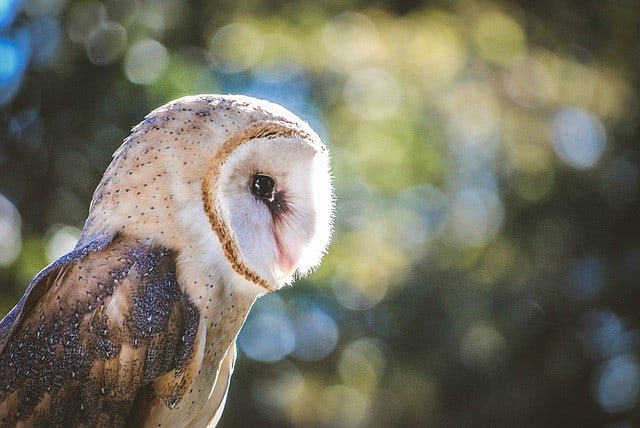 Barn owls are a protected species and their population has risen and fallen over the years; Steven told us that he was only aware of one breeding pair in Caelaverock last year, compared to 4 known nest sites 3 years ago…
This unfortunately echoes the national trend towards a decline of the species in Scotland and the UK.
Steven told us that between 1995 and 1997 there were around 4000 pairs of barn owl in the UK, 550 of these in Scotland.
In 2007, 1432 nestlings were ringed in Scotland, but in 2012 that number had significantly dropped to just 407.
We asked Steven what may be the cause of this drastic drop in numbers – loss of hunting habitat and nest sites, changes in agriculture practices, use of toxic farm chemicals and pesticides, as well as traffic collisions, are all possible causes. The barn owl is at the northern limit of its global range in Scotland so climate will also affect their level of success here.
On a brighter note, the erection of nest boxes has been shown to significantly help maintain and raise numbers of barn owls. They are increasingly dependent on nest boxes. Steven is keen to help if you would be happy to have nest boxes on your land. Do get in touch (details below).
Barn owls eat a diet of small rodents (mice small voles and shrews) and some small birds. They can be seen hunting at dusk, but will also hunt in broad daylight when they are feeding their young. Click here to see some videos of barn owls in flight.
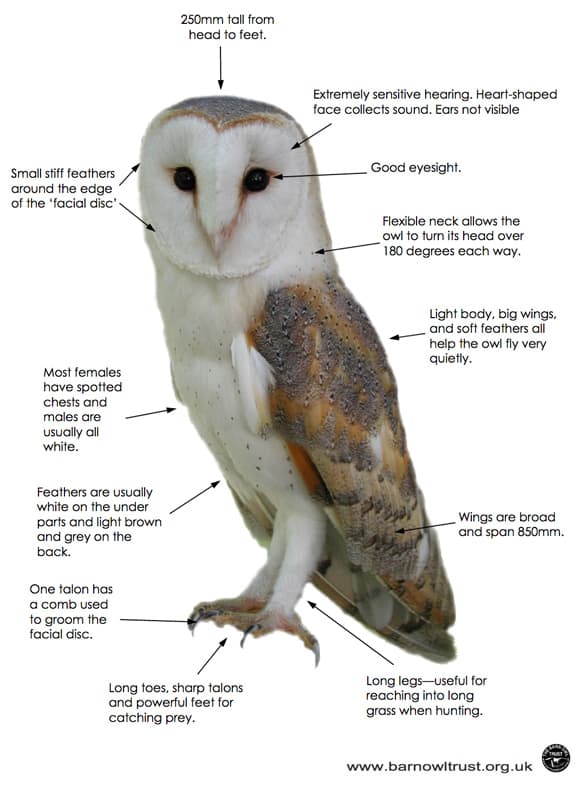 How do I identify a barn owl?
The UK Barn Owl Trust identification page tells us the following:
- About 33cm tall with a wing span of 90cm.
- Largely white underparts.
- Golden buff upperparts with grey markings.
- White, heart-shaped face with dark eyes.
- Overall impression in flight of a large white bird.
- Slow, buoyant flight in a back and forth motion.
- Lives mainly in open farmland habitat (not woodland).
- Seen but not heard, they call rarely.
- Barn Owls don’t hoot! They shriek, hiss and snore.
- Often seen at night whilst driving but dawn and dusk sightings are most common.
So, they are smaller than a tawny owl, recognized by their pale appearance and they don’t ‘twit twoooo’ – if you hear that, it is a tawny owl! (Incidently Steven is also interested in your sightings of tawny owls, or any other birds of interest).
How to recognise barn owls nesting.
Steven is particularly interested to hear from you if you know of a nest site (though as their territory is relatively small, a range of around half a mile, all sightings are being sought). There will be pellets around the roosting/ nest sites. This page has excellent information for you about resident barn owls: www.barnowltrust.org.uk
It is important to note that it is illegal to disturb barn owls whilst they are breeding.
If you have a recent sighting of a barn owl around and about the Caerlaverock area, or information about nest sites (even from previous years), please get in touch with Steven on:
*07901 33 77 65
*or email him at steven.jackson374@btinternet.com
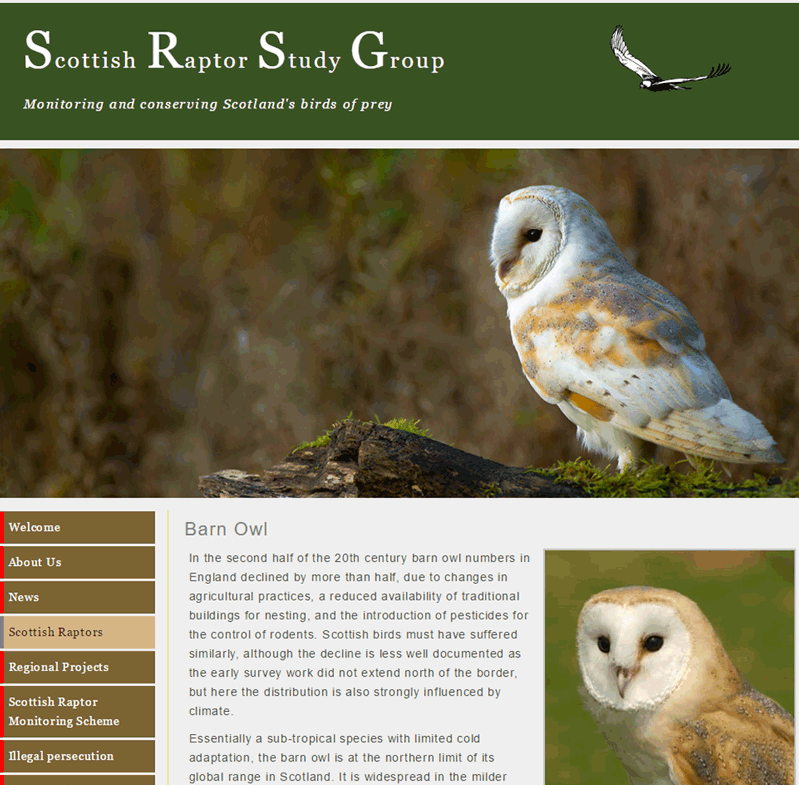 Some further information and reading about barn owls – some super websites out there!
www.scottishraptorstudygroup.org/barnowl.html – great info
www.barnowltrust.org.uk/ – very good info
www.xeno-canto.org/explore?species_nr=&query=Tyto+alba – sound clips
www.hbw.com/ibc/species/54929/sounds – sound clips
www.hbw.com/ibc/species/common-barn-owl-tyto-alba#photos – photos
www.bto.org/about-bto about the BTO